


A Guide to Understanding Current Transformers (CTs)
There are endless options when it comes to selecting CTs for your needs/application, but it's imperative you select the right one. We've created this guide to help shed a bit of light on the different types of CTs on the market today. If you're ready to search for the right CT for your application check out our CT Selector.
There are six styles of CTs:
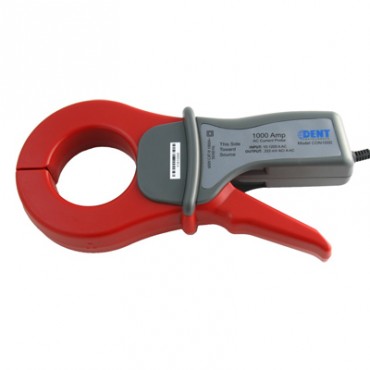
Clamp Style CTs
Clamp on CT's can easily be opened by squeezing the handle portion, to open the jaws, and to them place around the conductor. Releasing the handle closes the jaw.
Typical Use:
Mainly used in portable meters for temporary metering needs. Easy connection/disconnection from conductors for ease of moving around. Ensure ID of the clamp is large enough for the conductor to be measured.
Advantages:
Easy to install on existing energized/non-energized conductors.
Disadvantages:
Larger overall than other types of CT's
Choose Your CTs Now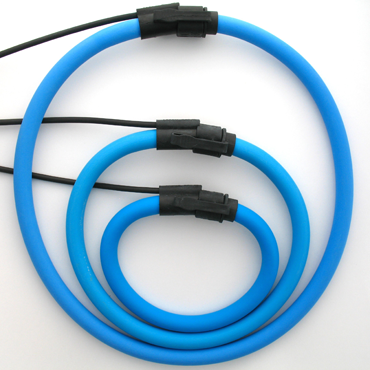
Flexible CTs (Rogowski Coils)
Typically called "Flexible CT's" because they are thin and long. They come in various lengths and open so they can be placed around existing conductors.
Typical Use:
For large conductors or bus-bars, permanent and temporary metering needs.
Advantages:
Excellent for large conductors or bundles and Bus Bar. Usually have a wide amperage range.
Disadvantages:
Signal output is either 333mV or a digital signal Not a generic signal output.
Choose Your CTs Now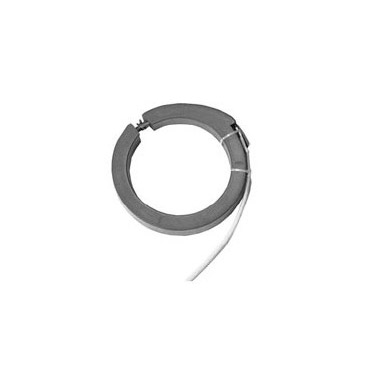
Flex-Style CTs
Large, rubber exterior CT's to be install on existing services. Open by twisting so the joint opens and you slip aroubnd the conductor and then close.
Typical Use:
Existing installations where the conductor, bundle or Bus bar is large.
Advantages:
Various inside ID's available, various output signal
Disadvantages:
Large, can be expensive
Choose Your CTs Now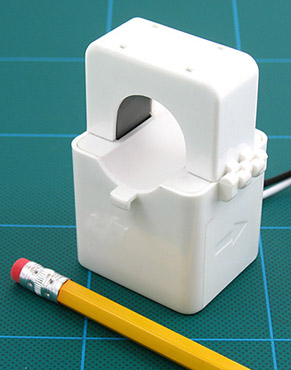
Hinged CTs
Small hinged CT that opens on one end, and opens for easy installation on existing conductors.
Typical Use:
Temporary or permanent metering use in distribution circuits or lower amperage panels.
Advantages:
Easy and quick to install.
Disadvantages:
Usually only available up to 200A.
Choose Your CTs Now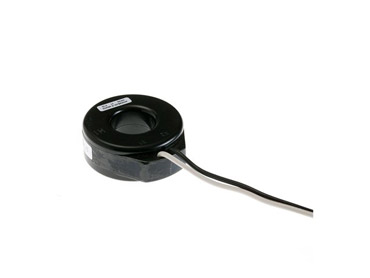
Solid Core CTs
Circular solid core CT's do not open. They must be slipped around the conductor prior to connection to the breaker.
Typical Use:
Permanent metering uses in Panels or circuits. Used in new installations typically.
Advantages:
High accuracy, small size wide range of primary amperages and output signals.
Disadvantages:
Takes longer to install than split styles.
Choose Your CTs Now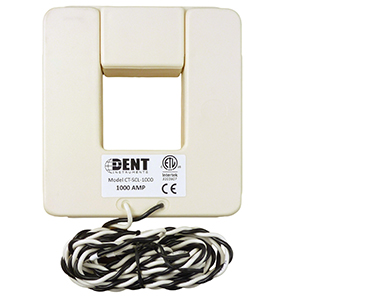
Split Core CTs
Split core CT's are typically square. One side of the unit disconnects from the other three sides. Slip the U shape around the conductor and snap the fourth side back on to complete the installation.
Typical Use:
Portable or permanent metering installations.
Advantages:
Various inside diameters, Primary currents, and output signals.
Disadvantages:
Should not be used for multiple installations. Connections can degrade.
Choose Your CTs Now